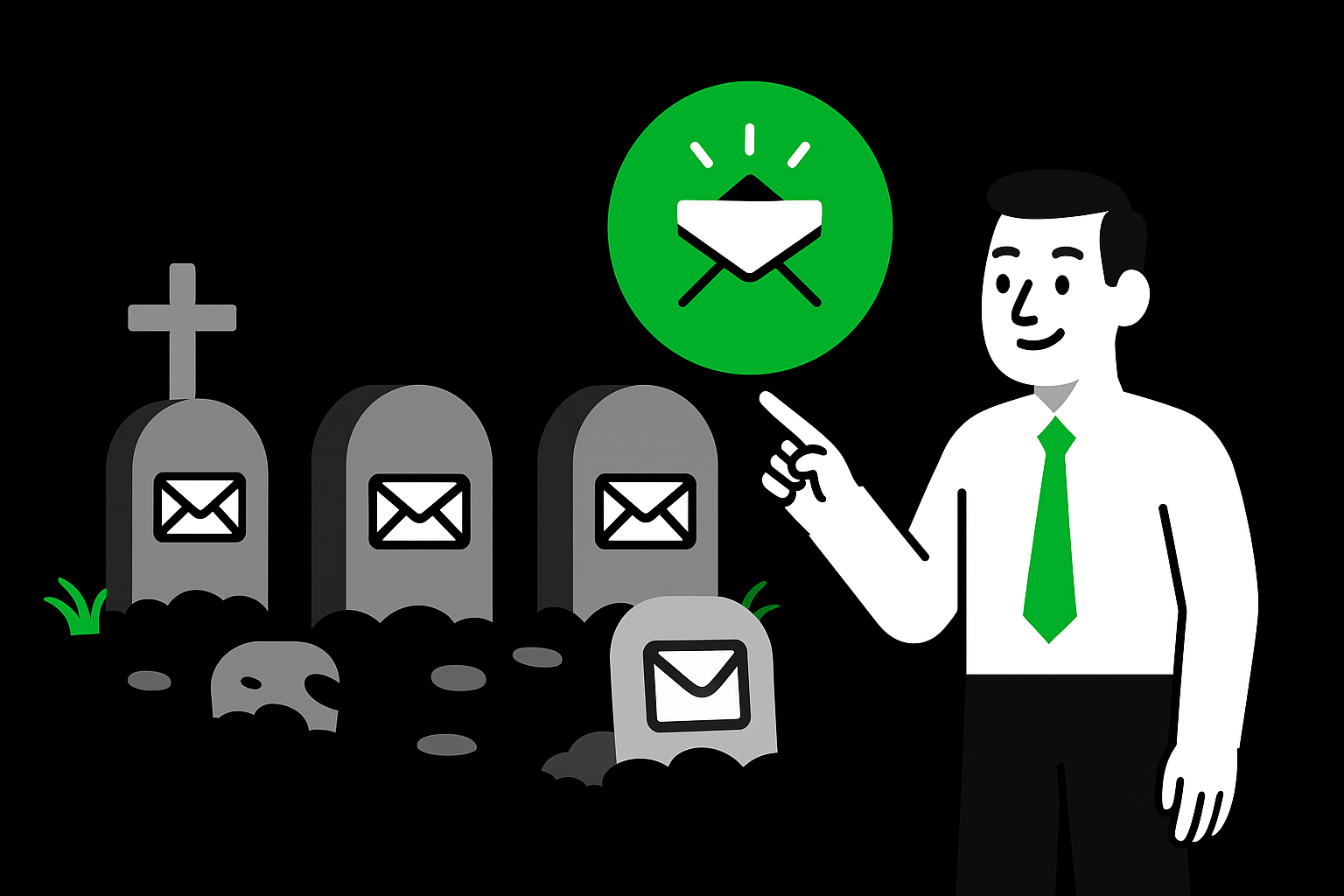

You have a shiny new AI tool and an email list that deserves better. The temptation is to point one at the other and press go. Don't. Most AI-powered email marketing I see in the wild reads like a polite robot who has never met the customer, never used the product, and never had an opinion about anything. That is not a marketing strategy. That is expensive filler.
Used properly, AI can lift your email programme meaningfully. Used lazily, it flattens your voice and trains your subscribers to ignore you faster.
Start with what AI is actually good at
AI is good at pattern recognition, variation, and grunt work. It is not good at judgement, taste, or knowing what your customers actually care about. Once you accept that, the use cases sort themselves.
The jobs to hand over first are the ones that eat your time without earning much of it back:
- Segmenting your list based on behaviour, purchase history, or engagement
- Drafting subject line variants for testing
- Summarising long-form content into email-friendly copy
- Cleaning and tagging your list
- Predicting the best send time for individual subscribers
- Generating first drafts of transactional or lifecycle emails
Notice what is missing. The strategy. The offer. The angle. The point of view. Those stay with you.
Use AI for segmentation before you use it for copy
Most email marketing fails at the targeting stage, not the writing stage. A brilliant email sent to the wrong list is still a wasted email. This is where AI genuinely earns its keep.
Modern email platforms can now cluster subscribers by predicted behaviour rather than crude demographics. Likely to churn. Likely to buy again in the next 30 days. Likely to open but not click. That kind of segmentation used to require a data analyst and a spare fortnight. Now it takes an afternoon.
Build the segments first. Then think about what each segment actually needs to hear. If you are not sure where to start, our beginner's guide to email sequences walks through the basic logic.
Treat AI copy as a first draft, never a final one
Here is the mistake I see most often. Someone prompts ChatGPT for "a welcome email for a skincare brand", pastes the output into their ESP, and hits send. The result is grammatically perfect and completely forgettable. A photocopy of a photocopy of every other skincare welcome email ever written.
AI writes to the average. Your brand only survives by being specific.
Use AI to break the blank page. Get it to draft five openings, ten subject lines, three different structures for the same message. Then edit hard. Cut the generic phrases. Add the specific detail only you know: the customer objection you keep hearing, the founder story, the unglamorous truth about how the product is made. That is the bit AI cannot invent.
If your existing emails are already generic, AI will make them more so. Fix the strategy before you scale the output.
Personalisation beyond the first name
Inserting {{first_name}} is not personalisation. It is a party trick from 2005.
Real AI-powered personalisation uses behavioural data to change the substance of the email, not just the salutation. Different product recommendations based on browse history. Different email content based on where someone is in the buying cycle. Different send times based on when each subscriber typically opens.
The tools to do this properly (Klaviyo, HubSpot, ActiveCampaign, Bloomreach) are now genuinely accessible to businesses turning over £1M to £10M. You do not need an enterprise budget. You do need clean data and a bit of patience setting it up.
Watch your deliverability
One warning. AI makes it very easy to send more emails, more often, to more people. That is exactly how you land in spam folders and burn your sender reputation.
If you double your send volume overnight with AI-generated content, your open rates will tell you the truth quickly. Send fewer, better emails to more relevant segments. Your inbox placement will thank you, and so will your revenue.
The honest answer
AI-powered email marketing works when you use it to do more of what already works, faster. It fails when you use it to skip the thinking. The brands winning with this stuff are not the ones with the fanciest tools. They are the ones who still know what they want to say, and use AI to say it to the right people at the right time.
Do the thinking yourself. Let the machine handle the rest.